Saturday, 17 January 2015

‘Critical Security Updates’ cancelled for 939 million Android users


Also Read Micromax's Yu Yureka Courts Controversy Over Number of Units Sold in First Flash Sale

Buy and Register for Lenovo A6000 here....

Google has revealed that Android smartphones and tablets running versions of the software released before 4.3 (Jellybean) will no longer be given official updates to an important part of the software, leaving 939 million devices unsecured, according to IT Pro.

The part of the Android software affected is WebView, which allows apps to display web pages without having to open other applications. Forbes describes the component as “the favored vector for attack for nearly any remote code execution vulnerability in the mobile OS.”

Security researchers discovered that Google was ending support for WebView on earlier versions of Android when attempting to report a bug in the AOSP browser. According to ZDNet, a member of Android’s security team responded by saying: “If the affected version [of WebView] is before 4.4, we generally do not develop the patches ourselves, but welcome patches with the report for consideration. Other than notifying OEMs, we will not be able to take action on any report that is affecting versions before 4.4 that are not accompanied with a patch.”

This means that any bugs found affecting earlier versions of the operating system – which covers around 939 million handsets – will not be fixed by Google. If anyone patches the bugs, Google will incorporate the fixes into the Android Open Source Project code, which is distributed to handset makers, but “that’s where its responsibility stops,” states ZDNet.

The 939 million figure comes from Google’s own numbers on Android version popularity. There is a total of 1.5624 billion Android phones in use, an Google states that 60.1 percent do not run from version 4.4 (KitKat) or later. The latest version of the OS, Lollipop, has so far only been taken up by  0.1 percent of users, but that’s likely to be because most manufacturers and carriers are yet to roll out updates for their handsets and networks.


Also Read Lenovo A6000 With 4G LTE Set to Launch at Below Rs. 10,000 on Friday

NOTE: Feel Free To Comment....
Unknown  /  at  14:10  /  No comments


Also Read Micromax's Yu Yureka Courts Controversy Over Number of Units Sold in First Flash Sale

Buy and Register for Lenovo A6000 here....

Google has revealed that Android smartphones and tablets running versions of the software released before 4.3 (Jellybean) will no longer be given official updates to an important part of the software, leaving 939 million devices unsecured, according to IT Pro.

The part of the Android software affected is WebView, which allows apps to display web pages without having to open other applications. Forbes describes the component as “the favored vector for attack for nearly any remote code execution vulnerability in the mobile OS.”

Security researchers discovered that Google was ending support for WebView on earlier versions of Android when attempting to report a bug in the AOSP browser. According to ZDNet, a member of Android’s security team responded by saying: “If the affected version [of WebView] is before 4.4, we generally do not develop the patches ourselves, but welcome patches with the report for consideration. Other than notifying OEMs, we will not be able to take action on any report that is affecting versions before 4.4 that are not accompanied with a patch.”

This means that any bugs found affecting earlier versions of the operating system – which covers around 939 million handsets – will not be fixed by Google. If anyone patches the bugs, Google will incorporate the fixes into the Android Open Source Project code, which is distributed to handset makers, but “that’s where its responsibility stops,” states ZDNet.

The 939 million figure comes from Google’s own numbers on Android version popularity. There is a total of 1.5624 billion Android phones in use, an Google states that 60.1 percent do not run from version 4.4 (KitKat) or later. The latest version of the OS, Lollipop, has so far only been taken up by  0.1 percent of users, but that’s likely to be because most manufacturers and carriers are yet to roll out updates for their handsets and networks.


Also Read Lenovo A6000 With 4G LTE Set to Launch at Below Rs. 10,000 on Friday

NOTE: Feel Free To Comment....

Posted in: Read Complete Article»

Wednesday, 14 January 2015

Micromax's Yu Yureka Courts Controversy Over Number of Units Sold in First Flash Sale

yu_yureka_sc.jpg

Also Read Lenovo A6000 With 4G LTE Set to Launch at Below Rs. 10,000 on Friday

Register for Lenovo A6000 Now....

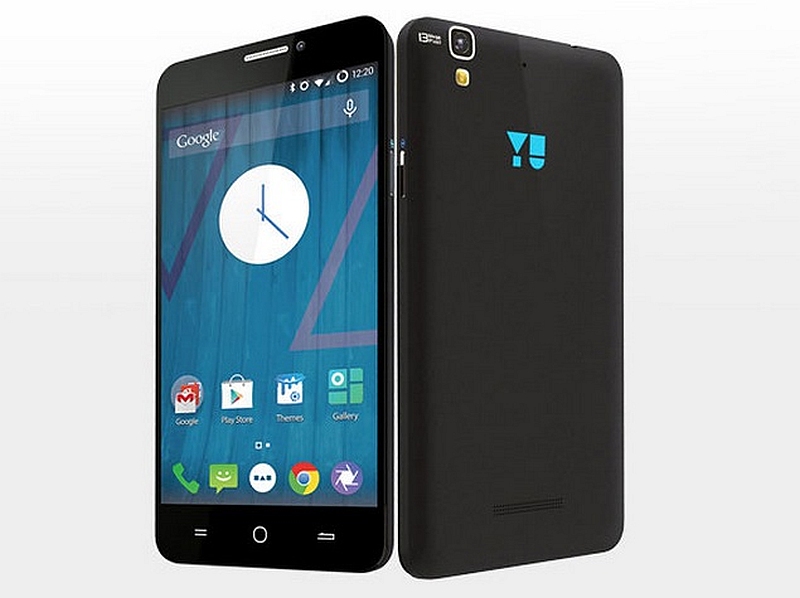
On Tuesday, Micromax's Yu Yureka smartphone went on sale for the first time and Yu Televentures, a subsidiary of Micromax says it offered 10,000 units for sale via Amazon India. However, it is now being alleged that only 3,000 units were even available, and even fewer were actually sold.

The Yu Yureka is based on the Cyanogen OS, and went on sale exclusively on Amazon India. The company announced early closure of registrations dues to "overwhelming response", claiming over 3 lakh registrations for the flash sale.

After the sale yesterday, it was announced that 10,000 units went out of stock in 3 seconds. The quick close of the sale also generated plenty of negative sentiment online with many prospective buyers turning to Twitter to vent after failing to get their hands on a unit.

One consumer claims to have noticed something which, if true, would mean Yu has misled people.

Blogger Abhay Rana posts that only 3,000 units were available for sale, and that only 2,657 were actually sold. On his blog, Rana shared details about the lightning deal which are available if you invoke Amazon's API, showing that only 3,000 units were available, and only 88 percent were claimed.


Also Read The Witcher 3 system requirements announced

NOTE: Feel Free To Comment....
Unknown  /  at  22:23  /  No comments

yu_yureka_sc.jpg

Also Read Lenovo A6000 With 4G LTE Set to Launch at Below Rs. 10,000 on Friday

Register for Lenovo A6000 Now....

On Tuesday, Micromax's Yu Yureka smartphone went on sale for the first time and Yu Televentures, a subsidiary of Micromax says it offered 10,000 units for sale via Amazon India. However, it is now being alleged that only 3,000 units were even available, and even fewer were actually sold.

The Yu Yureka is based on the Cyanogen OS, and went on sale exclusively on Amazon India. The company announced early closure of registrations dues to "overwhelming response", claiming over 3 lakh registrations for the flash sale.

After the sale yesterday, it was announced that 10,000 units went out of stock in 3 seconds. The quick close of the sale also generated plenty of negative sentiment online with many prospective buyers turning to Twitter to vent after failing to get their hands on a unit.

One consumer claims to have noticed something which, if true, would mean Yu has misled people.

Blogger Abhay Rana posts that only 3,000 units were available for sale, and that only 2,657 were actually sold. On his blog, Rana shared details about the lightning deal which are available if you invoke Amazon's API, showing that only 3,000 units were available, and only 88 percent were claimed.


Also Read The Witcher 3 system requirements announced

NOTE: Feel Free To Comment....

Posted in: Read Complete Article»

Tuesday, 13 January 2015

The Witcher 3 system requirements announced


Also Read Lenovo A6000 With 4G LTE Set to Launch at Below Rs. 10,000 on Friday

It's the question every PC gamer has been dreading: can our rigs handle what is likely the year's most anticipated RPG? The answer to that question is now here. The Witcher 3: Wild Hunt's system requirements have been released.
Here's what you'll need:
Minimum System Requirements

  • Intel CPU Core i5-2500K 3.3GHz
  • AMD CPU Phenom II X4 940
  • Nvidia GPU GeForce GTX 660
  • AMD GPU Radeon HD 7870
  • RAM 6GB
  • OS 64-bit Windows 7 or 64-bit Windows 8 (8.1)
  • DirectX 11
  • HDD Space 40 GB
Recommended System Requirements

  • Intel CPU Core i7 3770 3,4 GHz
  • AMD CPU AMD FX-8350 4 GHz
  • Nvidia GPU GeForce GTX 770
  • AMD GPU Radeon R9 290
  • RAM 8GB
  • OS 64-bit Windows 7 or 64-bit Windows 8 (8.1)
  • DirectX 11
  • HDD Space 40 GB
This is largely what we're coming to expect from new, modern AAA releases. A 64-bit OS is increasingly becoming a mandatory requirement, and GTX 660s are being repositioned as the minimum spec for the most graphically ambitious games.


Also Read Nokia N1 Android 5.0 Lollipop Tablet Goes Up for Pre-Orders

NOTE: Feel Free To Comment....
Unknown  /  at  06:00  /  No comments


Also Read Lenovo A6000 With 4G LTE Set to Launch at Below Rs. 10,000 on Friday

It's the question every PC gamer has been dreading: can our rigs handle what is likely the year's most anticipated RPG? The answer to that question is now here. The Witcher 3: Wild Hunt's system requirements have been released.
Here's what you'll need:
Minimum System Requirements

  • Intel CPU Core i5-2500K 3.3GHz
  • AMD CPU Phenom II X4 940
  • Nvidia GPU GeForce GTX 660
  • AMD GPU Radeon HD 7870
  • RAM 6GB
  • OS 64-bit Windows 7 or 64-bit Windows 8 (8.1)
  • DirectX 11
  • HDD Space 40 GB
Recommended System Requirements

  • Intel CPU Core i7 3770 3,4 GHz
  • AMD CPU AMD FX-8350 4 GHz
  • Nvidia GPU GeForce GTX 770
  • AMD GPU Radeon R9 290
  • RAM 8GB
  • OS 64-bit Windows 7 or 64-bit Windows 8 (8.1)
  • DirectX 11
  • HDD Space 40 GB
This is largely what we're coming to expect from new, modern AAA releases. A 64-bit OS is increasingly becoming a mandatory requirement, and GTX 660s are being repositioned as the minimum spec for the most graphically ambitious games.


Also Read Nokia N1 Android 5.0 Lollipop Tablet Goes Up for Pre-Orders

NOTE: Feel Free To Comment....

Posted in: , Read Complete Article»

Sunday, 11 January 2015

Lenovo A6000 With 4G LTE Set to Launch at Below Rs. 10,000 on Friday

lenovo_a6000_press_invite.jpg

Also Read Toshiba Launches New Hybrid PC, Tablets and Hard Drives at CES 2015

Buy and Register for Lenovo A6000 here....

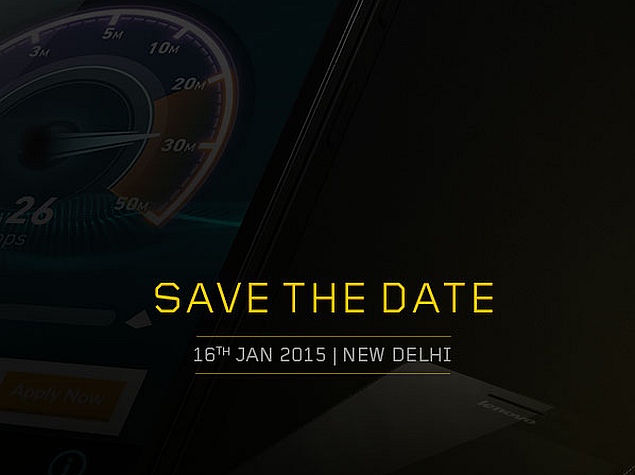
Lenovo's answer to the Xiaomi invasion, the A6000 smartphone unveiled at CES 2015, will be launched on Friday, January 16. The company has sent out invites for an event in New Delhi, with an image clearly pointing to the smartphone's 4G LTE capabilities.
The Lenovo A6000 is being targeted to take on 4G LTE offerings in the sub-Rs. 10,000 space, most specifically the Xiaomi Redmi Note 4G (now also available via Airtel), and Micromax's Yu Yureka that's due to become available to purchase on January 13. There's no doubt Lenovo's timing is intentional, stealing some steam from the launch of Xiaomi's 'new flagship' unveiling on January 15 - though that is expected to be of the new Mi 5 flagship.

The Chinese consumer electronics giant will like Xiaomi and Micromax also be offering the Lenovo A6000 only for online sales - exclusively via Flipkart, which is also home to the Redmi family. The smartphone announced at CES was given a price tag of $169 (roughly Rs. 10,500), but Flipkart has confirmed the phone will be priced "below Rs. 10,000 in India."

With Lenovo looking to compete with recent launches like Xiaomi Redmi Note 4G and Micromax's Yu Yureka, the phone could be priced as low as Rs. 8,999. A Lenovo spokesperson said the A6000 variant showcased at CES 2015 is not compatible with the 2300MHz Band 40 (TDD-LTE) used by India's 4G networks. However, given the company's intention to compete with aforementioned phones, it's likely that the variant launched in India will come with this feature.

The Lenovo A6000 features a 5-inch HD (720x1280 pixels) IPS display, which is smaller than 5.5-inch the display on both Micromax's Yu Yureka and Xiaomi's Redmi Note 4G. The dual-SIM smartphone supports Micro-SIM cards.

The A6000 is powered by a 64-bit quad-core Qualcomm Snapdragon 410 (MSM8916) SoC clocked at 1.2GHz coupled with 1GB of RAM. The Android 4.4 KitKat-based smartphone runs Lenovo's Vibe UI 2.0 skin on top, and bears 8GB of built-in storage with no word on expandability.

Other specifications include an 8-megapixel autofocus rear camera with LED flash; a 2-megapixel front camera; apart from a 2300mAh battery rated to deliver up to 13 hours of talk time and up to 264 hours of standby time on 3G network. The Lenovo A6000 measures 141x70x8.2mm and weighs 128 grams.


Also Read Nokia N1 Android 5.0 Lollipop Tablet Goes Up for Pre-Orders

NOTE: Feel Free To Comment....
Unknown  /  at  15:59  /  No comments

lenovo_a6000_press_invite.jpg

Also Read Toshiba Launches New Hybrid PC, Tablets and Hard Drives at CES 2015

Buy and Register for Lenovo A6000 here....

Lenovo's answer to the Xiaomi invasion, the A6000 smartphone unveiled at CES 2015, will be launched on Friday, January 16. The company has sent out invites for an event in New Delhi, with an image clearly pointing to the smartphone's 4G LTE capabilities.
The Lenovo A6000 is being targeted to take on 4G LTE offerings in the sub-Rs. 10,000 space, most specifically the Xiaomi Redmi Note 4G (now also available via Airtel), and Micromax's Yu Yureka that's due to become available to purchase on January 13. There's no doubt Lenovo's timing is intentional, stealing some steam from the launch of Xiaomi's 'new flagship' unveiling on January 15 - though that is expected to be of the new Mi 5 flagship.

The Chinese consumer electronics giant will like Xiaomi and Micromax also be offering the Lenovo A6000 only for online sales - exclusively via Flipkart, which is also home to the Redmi family. The smartphone announced at CES was given a price tag of $169 (roughly Rs. 10,500), but Flipkart has confirmed the phone will be priced "below Rs. 10,000 in India."

With Lenovo looking to compete with recent launches like Xiaomi Redmi Note 4G and Micromax's Yu Yureka, the phone could be priced as low as Rs. 8,999. A Lenovo spokesperson said the A6000 variant showcased at CES 2015 is not compatible with the 2300MHz Band 40 (TDD-LTE) used by India's 4G networks. However, given the company's intention to compete with aforementioned phones, it's likely that the variant launched in India will come with this feature.

The Lenovo A6000 features a 5-inch HD (720x1280 pixels) IPS display, which is smaller than 5.5-inch the display on both Micromax's Yu Yureka and Xiaomi's Redmi Note 4G. The dual-SIM smartphone supports Micro-SIM cards.

The A6000 is powered by a 64-bit quad-core Qualcomm Snapdragon 410 (MSM8916) SoC clocked at 1.2GHz coupled with 1GB of RAM. The Android 4.4 KitKat-based smartphone runs Lenovo's Vibe UI 2.0 skin on top, and bears 8GB of built-in storage with no word on expandability.

Other specifications include an 8-megapixel autofocus rear camera with LED flash; a 2-megapixel front camera; apart from a 2300mAh battery rated to deliver up to 13 hours of talk time and up to 264 hours of standby time on 3G network. The Lenovo A6000 measures 141x70x8.2mm and weighs 128 grams.


Also Read Nokia N1 Android 5.0 Lollipop Tablet Goes Up for Pre-Orders

NOTE: Feel Free To Comment....

Posted in: Read Complete Article»

Friday, 9 January 2015

Nokia N1 Android 5.0 Lollipop Tablet Goes Up for Pre-Orders

nokia_n1_android_tablet_screen_official.jpg

Also Read Toshiba Launches New Hybrid PC, Tablets and Hard Drives at CES 2015

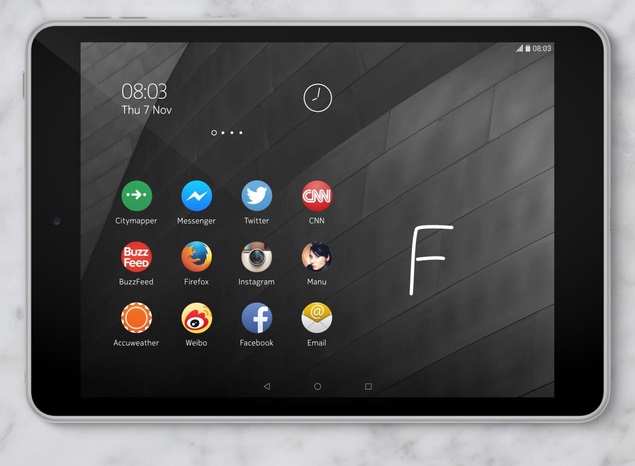
The first Nokia-branded Android tablet, the Nokia N1, as expected, has been launched in China. The tablet is currently up for pre-orders at CNY 1,599 (Rs. 16,308 approximately), which is roughly around the price stated at its unveiling - $249 (roughly Rs. 15,400) before taxes.
Unfortunately, the Finnish company has not revealed any availability details of the N1 Android tablet for other markets; though Nokia is likely to launch the tablet in Europe next month.

Unveiled in November last year, the Nokia N1 tablet comes with a brand-licensing agreement with Foxconn to manufacture, distribute, and sell the tablet in China.

For specifications, the Nokia N1 features a 7.9-inch (2048x1536 pixel) IPS LED-backlit display with by Corning Gorilla Glass 3; a 64-bit 2.3GHz Intel Atom Z3580 processor (4 cores, 4 threads) coupled with a PowerVR G6430 GPU; 2GB of LPDDR3 (800MHz) RAM; 32GB of inbuilt storage (non-expandable); an 8-megapixel rear autofocus camera; a 5-megapixel fixed focus camera; 5300mAh battery, and the predictive Nokia Z Launcher interface on top of Android 5.0 Lollipop. Connectivity options on Nokia N1 include Wi-Fi 802.11 a/b/n/ac with MIMO, Bluetooth 4.0, Micro-USB with reversible Type-C connector, and a 3.5mm audio jack. The Nokia N1 tablet weighs in at 318 grams, and measures 200.7x138.6x6.9mm.

To recall, with the launch of the Nokia N1 tablet, the company neatly bypassed the restrictions imposed by the Microsoft deal, after the acquisition of Nokia's devices and services division by Microsoft in April last year, the Finnish company can no longer use the Nokia brand on smartphones till Q4 2016, and on feature phones for 10 years.
Nokia N1

Nokia N1

Display

7.90-inch

Processor

2.3GHz

Front Camera

 5-megapixel

Resolution

 2048x1536 pixels

RAM

 2GB

OS

 Android 5.0

Storage

32GB

Rear Camera

8-megapixel

Battery capacity

5300mAh
Unknown  /  at  06:00  /  No comments

nokia_n1_android_tablet_screen_official.jpg

Also Read Toshiba Launches New Hybrid PC, Tablets and Hard Drives at CES 2015

The first Nokia-branded Android tablet, the Nokia N1, as expected, has been launched in China. The tablet is currently up for pre-orders at CNY 1,599 (Rs. 16,308 approximately), which is roughly around the price stated at its unveiling - $249 (roughly Rs. 15,400) before taxes.
Unfortunately, the Finnish company has not revealed any availability details of the N1 Android tablet for other markets; though Nokia is likely to launch the tablet in Europe next month.

Unveiled in November last year, the Nokia N1 tablet comes with a brand-licensing agreement with Foxconn to manufacture, distribute, and sell the tablet in China.

For specifications, the Nokia N1 features a 7.9-inch (2048x1536 pixel) IPS LED-backlit display with by Corning Gorilla Glass 3; a 64-bit 2.3GHz Intel Atom Z3580 processor (4 cores, 4 threads) coupled with a PowerVR G6430 GPU; 2GB of LPDDR3 (800MHz) RAM; 32GB of inbuilt storage (non-expandable); an 8-megapixel rear autofocus camera; a 5-megapixel fixed focus camera; 5300mAh battery, and the predictive Nokia Z Launcher interface on top of Android 5.0 Lollipop. Connectivity options on Nokia N1 include Wi-Fi 802.11 a/b/n/ac with MIMO, Bluetooth 4.0, Micro-USB with reversible Type-C connector, and a 3.5mm audio jack. The Nokia N1 tablet weighs in at 318 grams, and measures 200.7x138.6x6.9mm.

To recall, with the launch of the Nokia N1 tablet, the company neatly bypassed the restrictions imposed by the Microsoft deal, after the acquisition of Nokia's devices and services division by Microsoft in April last year, the Finnish company can no longer use the Nokia brand on smartphones till Q4 2016, and on feature phones for 10 years.
Nokia N1

Nokia N1

Display

7.90-inch

Processor

2.3GHz

Front Camera

 5-megapixel

Resolution

 2048x1536 pixels

RAM

 2GB

OS

 Android 5.0

Storage

32GB

Rear Camera

8-megapixel

Battery capacity

5300mAh

Posted in: Read Complete Article»

Thursday, 8 January 2015

Toshiba Launches New Hybrid PC, Tablets and Hard Drives at CES 2015

toshiba_portege_z20t_with%20keyboard_official.jpg

Also Read CES 2015: HP Launches Stream Mini and Pavilion Mini Affordable Compact PCs

Toshiba had several announcements at the Consumer Electronics Show (CES 2015) this year, from new laptop-tablet hybrids and tablets, to new hard drives, a TransferJet adapter for iOS devices, and a wireless SD card.
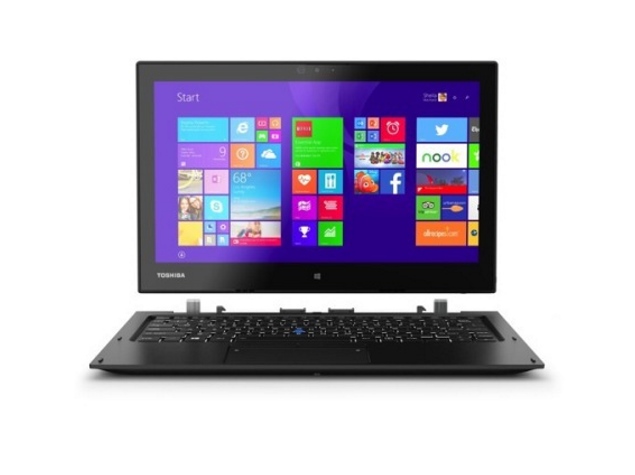
The Toshiba Portege Z20t, a Windows 8.1-based laptop-tablet hybrid, comes with a 12.5-inch screen with a resolution of 1920x1080 pixels, a detachable keyboard and an optional Wacom-made digitizer, which enables pressure-sensitive pen input (2,048 levels of sensitivity). The tablet will be powered by Intel Core M processors, which eliminates the need of cooling fans.

The Portege Z20t will go up on sale this month, with options for either 4GB or 8GB of RAM and 128GB, 256GB or 512GB of SSD storage options.

The starting price of Portege Z20t with the keyboard will be $1,399, while with the optional Wacom-made digitizer pen prices start at $1,899. The standalone tablet can also be purchased for a starting price of $899.

Connectivity options on the laptop-tablet hybrid include Wi-Fi 802.11ac, Bluetooth 4.0, Micro-USB, Micro-HDMI, Ethernet, RGB, and microSD card slot. The Portege Z20t tablet is claimed to provide up to 9 hours of battery life, and with the keyboard battery combined, it can deliver up to 17.5 hours of battery life, says Toshiba.

toshiba_encore_2_write_tablets_official.jpg

The company has also refreshed the Windows-based Encore 2 tablets lineup from last year. The new Encore 2 Write tablets from Toshiba come in 8-inch and 10-inch display sizes with a stylus called TruPen.

Also Read Spice Dream Uno H Android One Phone Launched at Rs. 6,499


The specifications of the Encore 2 Write are mostly identical to last year's Encore 2 tablets. These include 8-inch and 10-inch 1,280x800 pixels multi-touch displays; an Intel Atom processor; 2GB of RAM; 64GB of built-in storage; expandability via microSD card (up to 128GB), and Windows 8.1 with Bing.

The Toshiba Encore 2 Write tablets will go on sale from January 11.

toshiba_canvio_connect_ii_3tb_portable_hard_drive_ces_official.jpg

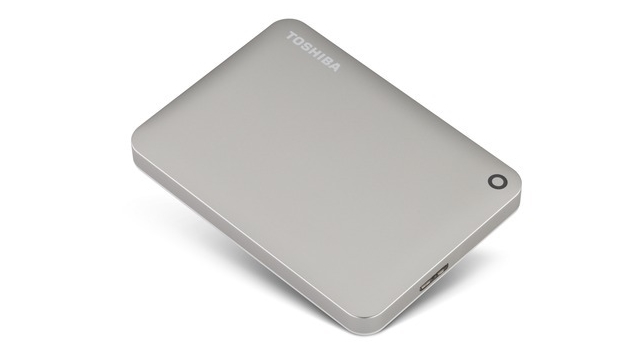
On the other hand, Toshiba has launched a new range of Canvio Connect II portable hard drives that come with remote access support through PogoPlug software.

The Canvio Connect II comes in storage capacities of 500GB, 1TB, 2TB and 3TB storage. The company also launched the 3TB version of the Canvio Basics portable hard drives. While these may not be the first external hard drives to offer 3TB of storage, they are considered as some of the first portable hard drives with this storage capacity.

The PogoPlug remote access feature of the Toshiba Canvio Connect II can be used to view and share files over the Internet, and stream content to mobile devices. The company is also offering 10GB of free cloud storage with the drives, which can also be accessed through the PogoPlug software.
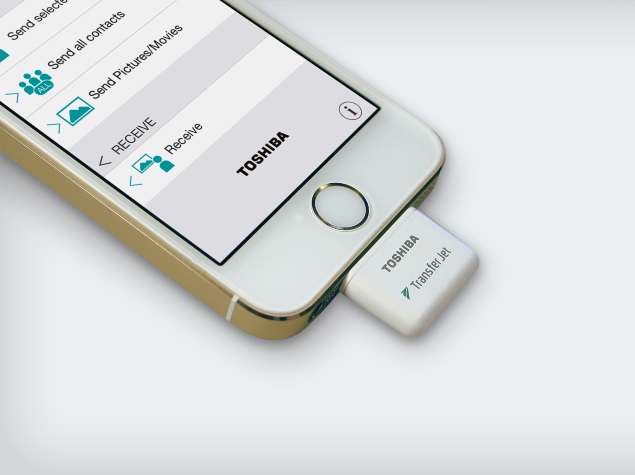
The company has also launched a TransferJet TJM35420LT adapter, the first with compatibility for iOS devices. The accessory will be available from spring 2015 in Japan, followed by Europe, the Americas and Asia, says Toshiba.

Also Read Google Nexus 6 Review: Vanilla Has Never Tasted So Good


toshiba_transferjet_ios_adaptor_tjm35420lt_official.jpg

Alongside, Toshiba has also launched the 2nd generation TransferJet USB adapter TJM35420AUX for Windows and a Micro-USB adapter module TJM35420AMU for Android, both of which will start selling in the first quarter of 2015. The new adapters for the Android and Windows are claimed to offer a 1.7 times faster transfer rate, 30 percent lower power consumption, and 30 percent less volume than the previous generation adapters.

"TransferJet is a close proximity wireless transfer technology standard promoted by the TransferJet Consortium. The technology provides simple connections and ultra-high speed data transfers with low power consumption, and works simply by bringing the two devices in the transfer into close proximity. Maximum data throughput is 375Mbps, and 100 MBytes of data can be transmitted in approximately three seconds," explains the company.

toshiba_flash_air_iii_wireless_card_official.jpg

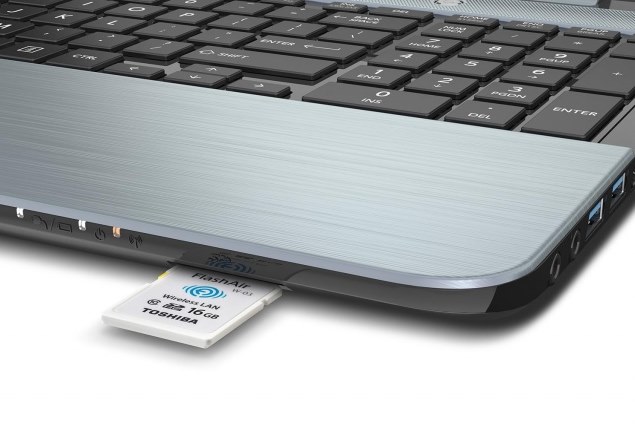
Lastly, there is the all new Toshiba FlashAir III wireless SD card, which can communicate/ transfer data on a Wi-Fi network. While there is no word on its price and availability, Toshiba said that the card will be available in two capacities - 16GB and 32GB.


Also Read Lenovo K3 Budget Smartphone Launched as Xiaomi Redmi 1S Competitor

NOTE: Feel Free To Comment....
Unknown  /  at  06:00  /  No comments

toshiba_portege_z20t_with%20keyboard_official.jpg

Also Read CES 2015: HP Launches Stream Mini and Pavilion Mini Affordable Compact PCs

Toshiba had several announcements at the Consumer Electronics Show (CES 2015) this year, from new laptop-tablet hybrids and tablets, to new hard drives, a TransferJet adapter for iOS devices, and a wireless SD card.
The Toshiba Portege Z20t, a Windows 8.1-based laptop-tablet hybrid, comes with a 12.5-inch screen with a resolution of 1920x1080 pixels, a detachable keyboard and an optional Wacom-made digitizer, which enables pressure-sensitive pen input (2,048 levels of sensitivity). The tablet will be powered by Intel Core M processors, which eliminates the need of cooling fans.

The Portege Z20t will go up on sale this month, with options for either 4GB or 8GB of RAM and 128GB, 256GB or 512GB of SSD storage options.

The starting price of Portege Z20t with the keyboard will be $1,399, while with the optional Wacom-made digitizer pen prices start at $1,899. The standalone tablet can also be purchased for a starting price of $899.

Connectivity options on the laptop-tablet hybrid include Wi-Fi 802.11ac, Bluetooth 4.0, Micro-USB, Micro-HDMI, Ethernet, RGB, and microSD card slot. The Portege Z20t tablet is claimed to provide up to 9 hours of battery life, and with the keyboard battery combined, it can deliver up to 17.5 hours of battery life, says Toshiba.

toshiba_encore_2_write_tablets_official.jpg

The company has also refreshed the Windows-based Encore 2 tablets lineup from last year. The new Encore 2 Write tablets from Toshiba come in 8-inch and 10-inch display sizes with a stylus called TruPen.

Also Read Spice Dream Uno H Android One Phone Launched at Rs. 6,499


The specifications of the Encore 2 Write are mostly identical to last year's Encore 2 tablets. These include 8-inch and 10-inch 1,280x800 pixels multi-touch displays; an Intel Atom processor; 2GB of RAM; 64GB of built-in storage; expandability via microSD card (up to 128GB), and Windows 8.1 with Bing.

The Toshiba Encore 2 Write tablets will go on sale from January 11.

toshiba_canvio_connect_ii_3tb_portable_hard_drive_ces_official.jpg

On the other hand, Toshiba has launched a new range of Canvio Connect II portable hard drives that come with remote access support through PogoPlug software.

The Canvio Connect II comes in storage capacities of 500GB, 1TB, 2TB and 3TB storage. The company also launched the 3TB version of the Canvio Basics portable hard drives. While these may not be the first external hard drives to offer 3TB of storage, they are considered as some of the first portable hard drives with this storage capacity.

The PogoPlug remote access feature of the Toshiba Canvio Connect II can be used to view and share files over the Internet, and stream content to mobile devices. The company is also offering 10GB of free cloud storage with the drives, which can also be accessed through the PogoPlug software.
The company has also launched a TransferJet TJM35420LT adapter, the first with compatibility for iOS devices. The accessory will be available from spring 2015 in Japan, followed by Europe, the Americas and Asia, says Toshiba.

Also Read Google Nexus 6 Review: Vanilla Has Never Tasted So Good


toshiba_transferjet_ios_adaptor_tjm35420lt_official.jpg

Alongside, Toshiba has also launched the 2nd generation TransferJet USB adapter TJM35420AUX for Windows and a Micro-USB adapter module TJM35420AMU for Android, both of which will start selling in the first quarter of 2015. The new adapters for the Android and Windows are claimed to offer a 1.7 times faster transfer rate, 30 percent lower power consumption, and 30 percent less volume than the previous generation adapters.

"TransferJet is a close proximity wireless transfer technology standard promoted by the TransferJet Consortium. The technology provides simple connections and ultra-high speed data transfers with low power consumption, and works simply by bringing the two devices in the transfer into close proximity. Maximum data throughput is 375Mbps, and 100 MBytes of data can be transmitted in approximately three seconds," explains the company.

toshiba_flash_air_iii_wireless_card_official.jpg

Lastly, there is the all new Toshiba FlashAir III wireless SD card, which can communicate/ transfer data on a Wi-Fi network. While there is no word on its price and availability, Toshiba said that the card will be available in two capacities - 16GB and 32GB.


Also Read Lenovo K3 Budget Smartphone Launched as Xiaomi Redmi 1S Competitor

NOTE: Feel Free To Comment....

Posted in: , Read Complete Article»

Wednesday, 7 January 2015

CES 2015: HP Launches Stream Mini and Pavilion Mini Affordable Compact PCs

hp_stream_mini_blue_official.jpg

Also Read Spice Dream Uno H Android One Phone Launched at Rs. 6,499

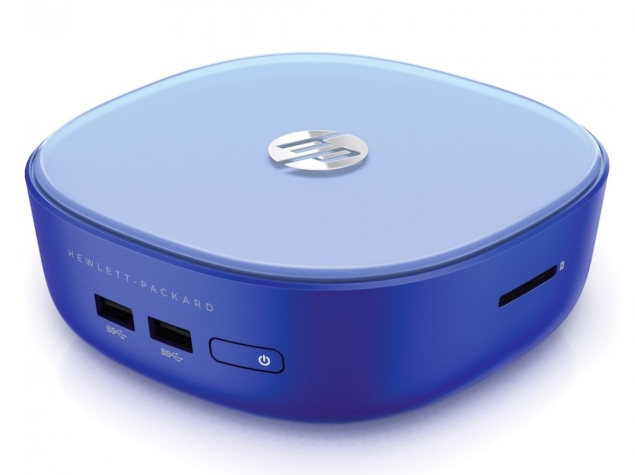
HP on Monday launched the low-cost Windows alternative to Chromebox - the HP Stream Mini PC - at $180 (approximately Rs. 11,500), complete with a bundled keyboard and mouse.
Alongside, the company has also introduced the Pavilion Mini PCs starting at $319.99 (approximately Rs. 20,000) with the Intel Pentium CPU, and $449.99 (approximately Rs. 28,000) for the Intel Core i3 model.

Both - HP Stream Mini and HP Pavilion Mini - come with Windows 8.1 and will be available via the company's online store in the US from January 14, and through some retailers beginning February 8.

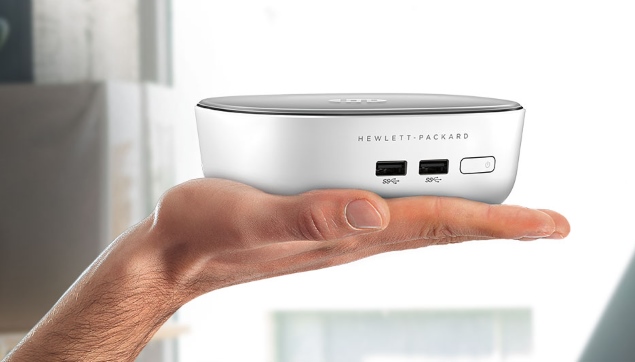
On the lines of Mac Mini and Chromebox, the HP Stream Mini is compact machine with a height of roughly 52.3mm and a weight of approximately 0.72kgs.

hp_stream_mini_in_hand_official.jpg

The HP Stream Mini packs an Intel Celeron 2957U (1.4GHz, 2 cores, 2 threads) processor, 2GB of DDR3L (1600MHz) RAM and 32GB SSD storage.

The Intel Pentium-powered specifications of the HP Pavilion Mini PC include a 1.7GHz Pentium 3558U CPU, 4GB of RAM, and a 500GB 7200RPM hard drive. The other Pavilion Mini packs a 1.9GHz Core i3-4025U CPU, 8GB of RAM and a 1TB 5400RPM hard drive.

Additionally, HP is offering free 200GB of Microsoft OneDrive storage for two years, and a worth $25 (approximately Rs. 1,800) gift card that can be used at the Windows Store to buy apps, music, and even Xbox One games, says company.

Connectivity options on the HP Stream Mini and HP Pavilion Mini include Ethernet port, four USB 3.0 ports, integrated Wi-Fi 802.11n, Bluetooth 4.0, SD card reader, audio jack, DisplayPort 1.2 and an HDMI 1.4 port.


Also Read Google Nexus 6 Review: Vanilla Has Never Tasted So Good

NOTE: Feel Free To Comment....
Unknown  /  at  18:00  /  No comments

hp_stream_mini_blue_official.jpg

Also Read Spice Dream Uno H Android One Phone Launched at Rs. 6,499

HP on Monday launched the low-cost Windows alternative to Chromebox - the HP Stream Mini PC - at $180 (approximately Rs. 11,500), complete with a bundled keyboard and mouse.
Alongside, the company has also introduced the Pavilion Mini PCs starting at $319.99 (approximately Rs. 20,000) with the Intel Pentium CPU, and $449.99 (approximately Rs. 28,000) for the Intel Core i3 model.

Both - HP Stream Mini and HP Pavilion Mini - come with Windows 8.1 and will be available via the company's online store in the US from January 14, and through some retailers beginning February 8.

On the lines of Mac Mini and Chromebox, the HP Stream Mini is compact machine with a height of roughly 52.3mm and a weight of approximately 0.72kgs.

hp_stream_mini_in_hand_official.jpg

The HP Stream Mini packs an Intel Celeron 2957U (1.4GHz, 2 cores, 2 threads) processor, 2GB of DDR3L (1600MHz) RAM and 32GB SSD storage.

The Intel Pentium-powered specifications of the HP Pavilion Mini PC include a 1.7GHz Pentium 3558U CPU, 4GB of RAM, and a 500GB 7200RPM hard drive. The other Pavilion Mini packs a 1.9GHz Core i3-4025U CPU, 8GB of RAM and a 1TB 5400RPM hard drive.

Additionally, HP is offering free 200GB of Microsoft OneDrive storage for two years, and a worth $25 (approximately Rs. 1,800) gift card that can be used at the Windows Store to buy apps, music, and even Xbox One games, says company.

Connectivity options on the HP Stream Mini and HP Pavilion Mini include Ethernet port, four USB 3.0 ports, integrated Wi-Fi 802.11n, Bluetooth 4.0, SD card reader, audio jack, DisplayPort 1.2 and an HDMI 1.4 port.


Also Read Google Nexus 6 Review: Vanilla Has Never Tasted So Good

NOTE: Feel Free To Comment....

Posted in: Read Complete Article»

Thursday, 18 December 2014

Spice Dream Uno H Android One Phone Launched at Rs. 6,499

spice_dream_uno_h.jpg

Also Read Google Nexus 6 Review: Vanilla Has Never Tasted So Good

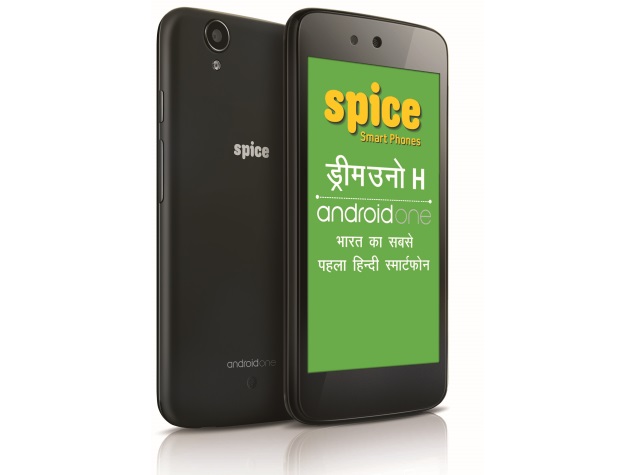
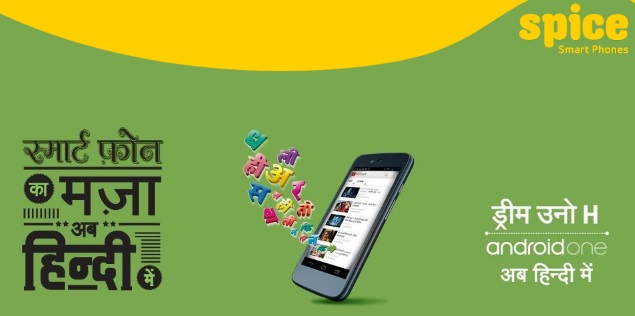
Spice has launched a variant of its Dream Uno Android One smartphone, called the Dream Uno H, which comes with complete Hindi language support.
The Spice Dream Uno H has been launched at a market operating price (MOP) of Rs. 6,499, and unlike the Flipkart-exclusive original variant will be available through major retail stores (online and offline) in the country.

Focusing on the significant Hindi speaking population in the country, the variant of the Spice Dream Uno features a complete Hindi keyboard along with voice input and Hindi app versions of the popular Google services such as Chrome, Search, YouTube and Google Maps among other apps.

The company stressed that the dual-SIM Dream Uno H has been especially designed for the 300 million Hindi speaking people and the handset is targeted for users in states such as Uttar Pradesh, Haryana, Rajasthan, Madhya Pradesh, and Bihar.

Notably, the Android 4.4.4 KitKat-based Dream Uno H comes with the same specifications as the Dream Uno, and features a 4.5-inch FWVGA display; a 1.3GHz quad-core processor; 1GB of RAM; a 5-megapixel rear camera with LED Flash; a 2-megapixel front camera; 4GB of inbuilt storage; expandable storage support via microSD card (up to 32GB), and a 1700mAh battery. The Dream Uno H also comes preloaded with some Hindi apps such as Sony Live, Hungama, Spice Cloud, Google Translate, and AajTak.

spice_dream_uno_h_banner.jpg

Commenting on the launch, Prashant Bindal, Chief Executive Officer, Spice Mobility Ltd, said, "We firmly believe that this revolutionary phone will contribute immensely in connecting the 300 million Hindi speaking masses to the internet with its useful applications such as Google Search, YouTube and Google Maps. After successful launching the Android One with Google in September this year, this is our next step towards making smartphones more accessible to the Hindi speaking population in the country."

Caesar Sengupta, VP, Product, Google, said, "We are excited by the launch of the second Spice Android One smartphone, this time targeting Hindi users. This is another step in empowering the next billion people."
Spice Dream Uno H

Spice Dream Uno H

Display

4.50-inch

Processor

1.3GHz

Front Camera

 2-megapixel

Resolution

 480x854 pixels

RAM

 1GB

OS

 Android 4.4.4

Storage

4GB

Rear Camera

5-megapixel

Battery capacity

1700mAh
Unknown  /  at  06:00  /  No comments

spice_dream_uno_h.jpg

Also Read Google Nexus 6 Review: Vanilla Has Never Tasted So Good

Spice has launched a variant of its Dream Uno Android One smartphone, called the Dream Uno H, which comes with complete Hindi language support.
The Spice Dream Uno H has been launched at a market operating price (MOP) of Rs. 6,499, and unlike the Flipkart-exclusive original variant will be available through major retail stores (online and offline) in the country.

Focusing on the significant Hindi speaking population in the country, the variant of the Spice Dream Uno features a complete Hindi keyboard along with voice input and Hindi app versions of the popular Google services such as Chrome, Search, YouTube and Google Maps among other apps.

The company stressed that the dual-SIM Dream Uno H has been especially designed for the 300 million Hindi speaking people and the handset is targeted for users in states such as Uttar Pradesh, Haryana, Rajasthan, Madhya Pradesh, and Bihar.

Notably, the Android 4.4.4 KitKat-based Dream Uno H comes with the same specifications as the Dream Uno, and features a 4.5-inch FWVGA display; a 1.3GHz quad-core processor; 1GB of RAM; a 5-megapixel rear camera with LED Flash; a 2-megapixel front camera; 4GB of inbuilt storage; expandable storage support via microSD card (up to 32GB), and a 1700mAh battery. The Dream Uno H also comes preloaded with some Hindi apps such as Sony Live, Hungama, Spice Cloud, Google Translate, and AajTak.

spice_dream_uno_h_banner.jpg

Commenting on the launch, Prashant Bindal, Chief Executive Officer, Spice Mobility Ltd, said, "We firmly believe that this revolutionary phone will contribute immensely in connecting the 300 million Hindi speaking masses to the internet with its useful applications such as Google Search, YouTube and Google Maps. After successful launching the Android One with Google in September this year, this is our next step towards making smartphones more accessible to the Hindi speaking population in the country."

Caesar Sengupta, VP, Product, Google, said, "We are excited by the launch of the second Spice Android One smartphone, this time targeting Hindi users. This is another step in empowering the next billion people."
Spice Dream Uno H

Spice Dream Uno H

Display

4.50-inch

Processor

1.3GHz

Front Camera

 2-megapixel

Resolution

 480x854 pixels

RAM

 1GB

OS

 Android 4.4.4

Storage

4GB

Rear Camera

5-megapixel

Battery capacity

1700mAh

Tuesday, 16 December 2014

Google Nexus 6 Review: Vanilla Has Never Tasted So Good

motorola_google_nexus_6_front_ndtv.jpg

Also Read Delhi High Court Orders Xiaomi to Suspend Smartphone Sales in India

The Nexus series started out as Google's way of showing the world what its true vision of Android was - without the encumbrances of bloatware and UI customisations that had become the norm on handsets sold by partner manufacturers and wireless carriers around the world. Nexus phones have been well received by buyers, and though they don't offer absolutely top-of-the-line features, they're usually pretty great value for money.

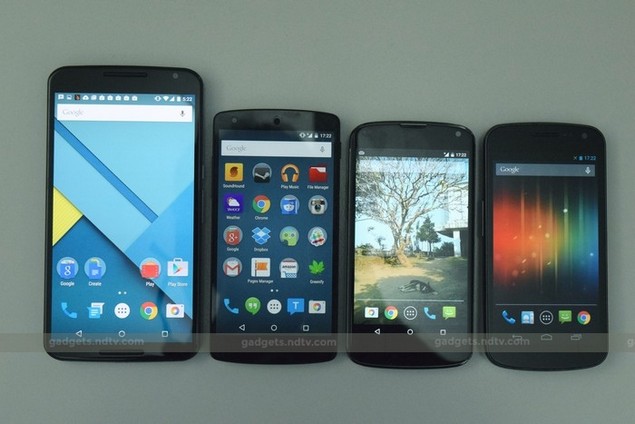
The Motorola Google Nexus 6 is, as its name suggests, the sixth iteration in the series. However, over the past three generations, the number suffix has also come to represent each device's screen size. With a 6-inch screen, the new Nexus 6 is much less of a mainstream product than its predecessors were - outsized phones do have their fans, but this one feature will be the most significant reason for which people will either love or hate it.
motorola_google_nexus_6_lineupfront_ndtv.jpg

Look and Feel

There's no getting past the fact that the Nexus 6 is a big phone. A lot of people will be disappointed that Google decided to chase the phablet crowd and leave the mainstream market wanting. There is a lot of scope for a Nexus 6 "mini" - the company has painted itself into a corner with regard to its naming scheme, but we don't care about that. Something more along the lines of the Moto X (Gen 2) in terms of size would be fantastic.
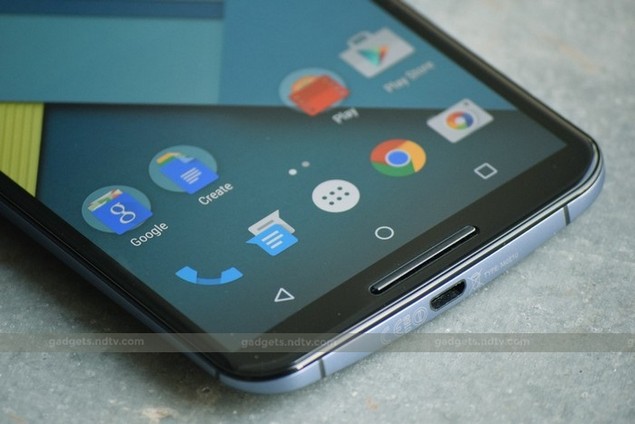
The front is all black glass, which appears to curl around the edges giving the device a borderless look. There is definitely a family resemblance to the current Motorola lineup, but this phone is by far the slickest and best looking. There's very little space around the screen. The twin speaker bars on the top and bottom are a subtle, smooth black and blend nicely into the front face rather than sticking out as they do on the other Motorolas. The only other thing you'll see is a cutout for the front camera, which is in the upper right corner. There's no branding and no other markings.
motorola_google_nexus_6_lowerfront_ndtv.jpg

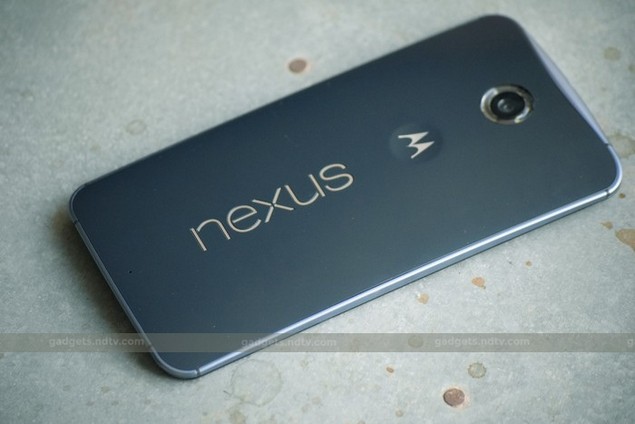
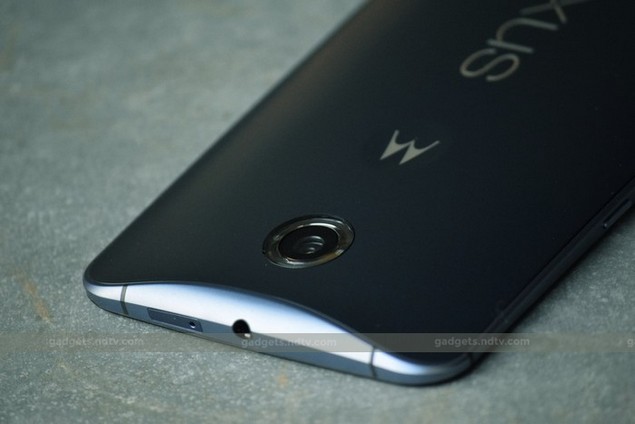
The rear and sides are two different shades of blue - while the metallic rim is light and pale, the matte back panel is dark navy blue. There are symmetrical breaks in each corner of the rim to allow antennas to communicate with the outside world, and Motorola's signature scoop on the top. An enormous Nexus logo runs vertically up the rear, with a Motorola emblem above it. The rear camera is surrounded by a plastic ring which covers the flash's twin LEDs.

Also Read Create a WiFi hotspot in Windows 7,8 & Share Internet connection for use in smartphones


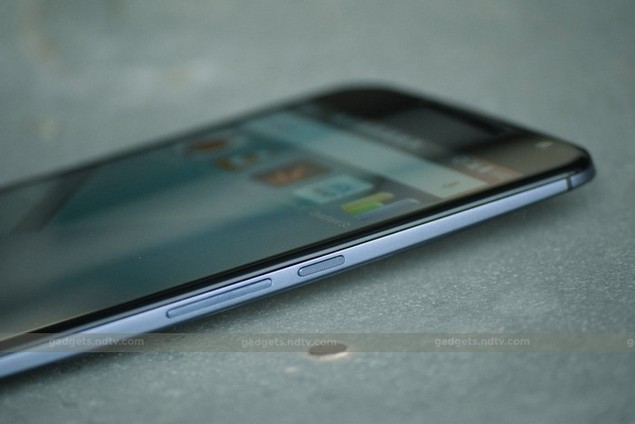
In typical Nexus fashion, the phone is sealed and there is no microSD card slot. There's a tray for a Nano-SIM card on the top, next to the 3.5mm headset socket. The Micro-USB port is on the bottom, and the power and volume buttons are on the right - thankfully at around thumb height.

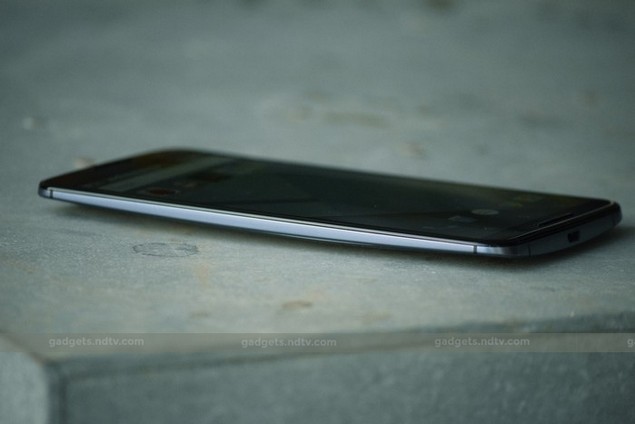
The Nexus 6 is surprisingly comfortable to hold thanks to its curved back and narrow screen borders. It's no lightweight at 184g, and you'll definitely feel its presence in a pocket.
motorola_google_nexus_6_rear_ndtv.jpg

Specifications

Google and Motorola have gone pretty high-end here - the specifications are on par with recent flagship phones from other manufacturers. There's a Qualcomm Snapdragon 805 SoC with four cores running at 2.7GHz and an Adreno 420 GPU, 3GB of RAM, and either 32GB or 64GB of storage space (but no way to expand this). The 6-inch screen (well, 5.96-inch to be exact) has a resolution of 1440x2560 pixels, resulting in a remarkable density of 493ppi.

Most modern connectivity standards are supported: Wi-Fi b/g/n/ac, Bluetooth 4.1, NFC, and A-GPS with GLONASS. The Micro-USB port supports SlimPort accessories for video output. The biggest disappointment is a lack of support for the 2300MHz Band 40 used by Indian LTE services - you'll have to wait for the service to roll out on other bands if you plan to use it at all.

The front face is made of Corning Gorilla Glass 3, which should help you avoid scratches and severe damage in case the phone is ever dropped. The rear camera has a 13-megapixel sensor, optical image stabilisation and a dual-LED flash. The Nexus 6 is capable of recording 4K video at 30fps. The front camera is a more modest 2-megapixel unit and can shoot video at 1080p.
motorola_google_nexus_6_buttons_ndtv.jpg

Software

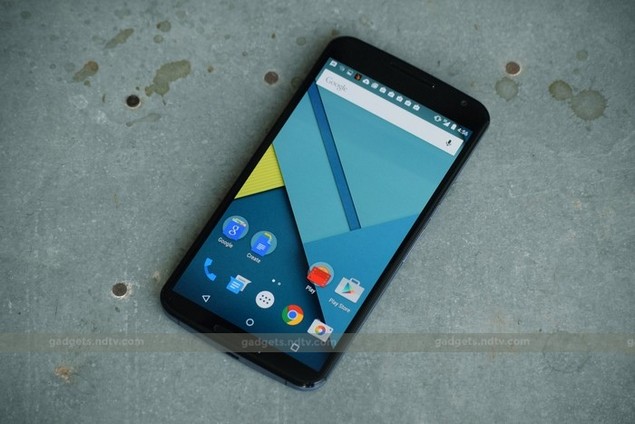
Android 5.0 is of course the big story here. Google has gone for a massive visual overhaul and there are hundreds of little things everywhere that surprised us. The fresh new look is a welcome change from what we've gotten all too used to in the years since Android 4.0 first came out, and it does suit the Nexus 6's huge screen very well. 

Also Read Google India's Great Online Shopping Festival (GOSF) Kicks Off Wednesday


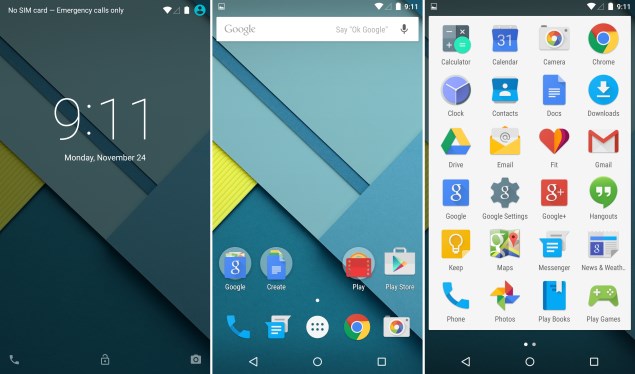
Right from the initial setup screens, you'll know that things have changed drastically. The setup process is far more user-friendly than before, and you can set up security right away. Partly because of the new fonts and styles, and partly because of the Nexus 6's crisp screen, everything looks bright, fresh and engaging.
motorola_google_nexus_6_screens1_ndtv.jpg

The homescreen is relatively clean. Google's ever-present search bar is right on top, and there's a prompt letting you know you can say "OK Google" to trigger voice command recognition. This worked fairly well for us, even in an office environment with lots of background chatter, when we weren't even deliberately projecting our voices.

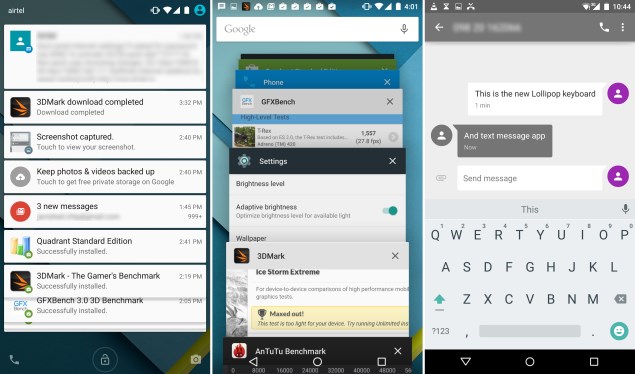
The new notifications shade and app switcher don't feel like separate things - they just sort of float on top of whatever you have on screen when you trigger them. Notifications appear as individual boxes against a slightly dimmed background, while the cascade of app thumbnails feels like it's spilling over the screen.

The main status bar has been simplified - icons are less detailed now, but you just have to touch the bar and it expands to show more information. A double-tap or swipe down reveals the notifications, but tap once again (or swipe down with two fingers) to show the new quick settings panel. This has also been given a stark visual makeover, and there are a few new touches as well, such as a control for screen casting and a flashlight toggle. Sadly, you can't see the battery level percentage without pulling down the quick settings panel, though this can easily be fixed via third-party addons.
motorola_google_nexus_6_screens3_ndtv.jpg

You can now have multiple user profiles, and the icon in the upper right corner lets you switch between them. There's also a guest mode which lets you lock down your personal photos and information when you hand the phone to someone else to use. Creating a new user profile takes you through the same routine used to set up the phone the first time you switch it on. Switching doesn't take much time and personal data is not shared between profiles.

The new navigation button style takes a while to get used to, as does the bright white app drawer background. There are also loads of animations everywhere - every tap and swipe is accompanied by a little visual flourish. There's a transition effect for pretty much every possible action: apps launch by flying in from the bottom of the screen, the app drawer explodes out of its circular homescreen icon and collapses back into it when dismissed, and icons roll or expand into place. Tap on the Home button, an email preview in your inbox, a contact in the dialler app or even a notification popup, and you'll see a quick ripple letting you know the touch has been registered. Hit the end of a list while scrolling, and a colored arc swells out of the wall even as the list bounces back.
motorola_google_nexus_6_left_ndtv.jpg

This is what Google calls Material Design. The company's extensive guidelines for Android 5.0 (and all its websites and apps going forward) state that it was created in order to deliver cohesive experiences across device types and interfaces, and that it blends "the classic principles of good design with the innovation and possibility of technology and science." While that sounds a little hyperbolic, there's no denying the scope of Google's ambition. Graphics must be crisp, colors must be bold, grids and spaces must be rigidly defined, and all actions must allow users to flow gently from one task or screen to another. Surfaces, motion and visual feedback are at the heart of Material Design.
motorola_google_nexus_6_toprear_ndtv.jpg

Beyond mere visuals, there's a lot to dig into with Android 5.0. Project Volta is Google's term for an effort to squeeze every last drop of battery life out of an Android device by being a lot stricter about background tasks and data transmission. ART, the Android Runtime which has been around for a while but is the default on Android 5.0 Lollipop, is optimised for modern smartphone hardware and according to Google, can reduce memory and battery consumption while speeding up performance.
Overall, my favorite touches include the ability to search for settings in the Settings app, the fact that notifications that can be classified into different priority levels depending on the apps they originated from, and the new battery saver mode.

Performance

Other than the physical awkwardness inherent to such a large phone, the Nexus 6 was a pleasure to use. In the time we spent with it, there wasn't much to complain about at all. The interface is buttery smooth and all our test apps and games ran well - we just wish the animations and flourishes could be toned down. Most of our hiccups had to do with getting around the new version of Android - such as setting up notification priorities - but that's just because it takes a little while to get accustomed to the new system.
Benchmark scores is also pretty good in most cases, but surprisingly inconsistent overall. It broke through the 50,000 point barrier in AnTuTu 5 with a score of 50,609, beating both the iPhone 6 Plus and the Samsung Galaxy Note 4, although in stark contrast, the Quadrant score of 45,142 was puzzlingly low in comparison - the Galaxy Note 4 managed to pull in 86,992 points with nearly identical hardware specs.


Source: http://gadgets.ndtv.com/

Also Read Lenovo K3 Budget Smartphone Launched as Xiaomi Redmi 1S Competitor

NOTE: Feel Free To Comment....
Unknown  /  at  14:54  /  No comments

motorola_google_nexus_6_front_ndtv.jpg

Also Read Delhi High Court Orders Xiaomi to Suspend Smartphone Sales in India

The Nexus series started out as Google's way of showing the world what its true vision of Android was - without the encumbrances of bloatware and UI customisations that had become the norm on handsets sold by partner manufacturers and wireless carriers around the world. Nexus phones have been well received by buyers, and though they don't offer absolutely top-of-the-line features, they're usually pretty great value for money.

The Motorola Google Nexus 6 is, as its name suggests, the sixth iteration in the series. However, over the past three generations, the number suffix has also come to represent each device's screen size. With a 6-inch screen, the new Nexus 6 is much less of a mainstream product than its predecessors were - outsized phones do have their fans, but this one feature will be the most significant reason for which people will either love or hate it.

motorola_google_nexus_6_lineupfront_ndtv.jpg

Look and Feel

There's no getting past the fact that the Nexus 6 is a big phone. A lot of people will be disappointed that Google decided to chase the phablet crowd and leave the mainstream market wanting. There is a lot of scope for a Nexus 6 "mini" - the company has painted itself into a corner with regard to its naming scheme, but we don't care about that. Something more along the lines of the Moto X (Gen 2) in terms of size would be fantastic.
The front is all black glass, which appears to curl around the edges giving the device a borderless look. There is definitely a family resemblance to the current Motorola lineup, but this phone is by far the slickest and best looking. There's very little space around the screen. The twin speaker bars on the top and bottom are a subtle, smooth black and blend nicely into the front face rather than sticking out as they do on the other Motorolas. The only other thing you'll see is a cutout for the front camera, which is in the upper right corner. There's no branding and no other markings.
motorola_google_nexus_6_lowerfront_ndtv.jpg

The rear and sides are two different shades of blue - while the metallic rim is light and pale, the matte back panel is dark navy blue. There are symmetrical breaks in each corner of the rim to allow antennas to communicate with the outside world, and Motorola's signature scoop on the top. An enormous Nexus logo runs vertically up the rear, with a Motorola emblem above it. The rear camera is surrounded by a plastic ring which covers the flash's twin LEDs.

Also Read Create a WiFi hotspot in Windows 7,8 & Share Internet connection for use in smartphones


In typical Nexus fashion, the phone is sealed and there is no microSD card slot. There's a tray for a Nano-SIM card on the top, next to the 3.5mm headset socket. The Micro-USB port is on the bottom, and the power and volume buttons are on the right - thankfully at around thumb height.

The Nexus 6 is surprisingly comfortable to hold thanks to its curved back and narrow screen borders. It's no lightweight at 184g, and you'll definitely feel its presence in a pocket.
motorola_google_nexus_6_rear_ndtv.jpg

Specifications

Google and Motorola have gone pretty high-end here - the specifications are on par with recent flagship phones from other manufacturers. There's a Qualcomm Snapdragon 805 SoC with four cores running at 2.7GHz and an Adreno 420 GPU, 3GB of RAM, and either 32GB or 64GB of storage space (but no way to expand this). The 6-inch screen (well, 5.96-inch to be exact) has a resolution of 1440x2560 pixels, resulting in a remarkable density of 493ppi.

Most modern connectivity standards are supported: Wi-Fi b/g/n/ac, Bluetooth 4.1, NFC, and A-GPS with GLONASS. The Micro-USB port supports SlimPort accessories for video output. The biggest disappointment is a lack of support for the 2300MHz Band 40 used by Indian LTE services - you'll have to wait for the service to roll out on other bands if you plan to use it at all.

The front face is made of Corning Gorilla Glass 3, which should help you avoid scratches and severe damage in case the phone is ever dropped. The rear camera has a 13-megapixel sensor, optical image stabilisation and a dual-LED flash. The Nexus 6 is capable of recording 4K video at 30fps. The front camera is a more modest 2-megapixel unit and can shoot video at 1080p.
motorola_google_nexus_6_buttons_ndtv.jpg

Software

Android 5.0 is of course the big story here. Google has gone for a massive visual overhaul and there are hundreds of little things everywhere that surprised us. The fresh new look is a welcome change from what we've gotten all too used to in the years since Android 4.0 first came out, and it does suit the Nexus 6's huge screen very well. 

Also Read Google India's Great Online Shopping Festival (GOSF) Kicks Off Wednesday


Right from the initial setup screens, you'll know that things have changed drastically. The setup process is far more user-friendly than before, and you can set up security right away. Partly because of the new fonts and styles, and partly because of the Nexus 6's crisp screen, everything looks bright, fresh and engaging.
motorola_google_nexus_6_screens1_ndtv.jpg

The homescreen is relatively clean. Google's ever-present search bar is right on top, and there's a prompt letting you know you can say "OK Google" to trigger voice command recognition. This worked fairly well for us, even in an office environment with lots of background chatter, when we weren't even deliberately projecting our voices.

The new notifications shade and app switcher don't feel like separate things - they just sort of float on top of whatever you have on screen when you trigger them. Notifications appear as individual boxes against a slightly dimmed background, while the cascade of app thumbnails feels like it's spilling over the screen.

The main status bar has been simplified - icons are less detailed now, but you just have to touch the bar and it expands to show more information. A double-tap or swipe down reveals the notifications, but tap once again (or swipe down with two fingers) to show the new quick settings panel. This has also been given a stark visual makeover, and there are a few new touches as well, such as a control for screen casting and a flashlight toggle. Sadly, you can't see the battery level percentage without pulling down the quick settings panel, though this can easily be fixed via third-party addons.
motorola_google_nexus_6_screens3_ndtv.jpg

You can now have multiple user profiles, and the icon in the upper right corner lets you switch between them. There's also a guest mode which lets you lock down your personal photos and information when you hand the phone to someone else to use. Creating a new user profile takes you through the same routine used to set up the phone the first time you switch it on. Switching doesn't take much time and personal data is not shared between profiles.

The new navigation button style takes a while to get used to, as does the bright white app drawer background. There are also loads of animations everywhere - every tap and swipe is accompanied by a little visual flourish. There's a transition effect for pretty much every possible action: apps launch by flying in from the bottom of the screen, the app drawer explodes out of its circular homescreen icon and collapses back into it when dismissed, and icons roll or expand into place. Tap on the Home button, an email preview in your inbox, a contact in the dialler app or even a notification popup, and you'll see a quick ripple letting you know the touch has been registered. Hit the end of a list while scrolling, and a colored arc swells out of the wall even as the list bounces back.
motorola_google_nexus_6_left_ndtv.jpg

This is what Google calls Material Design. The company's extensive guidelines for Android 5.0 (and all its websites and apps going forward) state that it was created in order to deliver cohesive experiences across device types and interfaces, and that it blends "the classic principles of good design with the innovation and possibility of technology and science." While that sounds a little hyperbolic, there's no denying the scope of Google's ambition. Graphics must be crisp, colors must be bold, grids and spaces must be rigidly defined, and all actions must allow users to flow gently from one task or screen to another. Surfaces, motion and visual feedback are at the heart of Material Design.
motorola_google_nexus_6_toprear_ndtv.jpg

Beyond mere visuals, there's a lot to dig into with Android 5.0. Project Volta is Google's term for an effort to squeeze every last drop of battery life out of an Android device by being a lot stricter about background tasks and data transmission. ART, the Android Runtime which has been around for a while but is the default on Android 5.0 Lollipop, is optimised for modern smartphone hardware and according to Google, can reduce memory and battery consumption while speeding up performance.
Overall, my favorite touches include the ability to search for settings in the Settings app, the fact that notifications that can be classified into different priority levels depending on the apps they originated from, and the new battery saver mode.

Performance

Other than the physical awkwardness inherent to such a large phone, the Nexus 6 was a pleasure to use. In the time we spent with it, there wasn't much to complain about at all. The interface is buttery smooth and all our test apps and games ran well - we just wish the animations and flourishes could be toned down. Most of our hiccups had to do with getting around the new version of Android - such as setting up notification priorities - but that's just because it takes a little while to get accustomed to the new system.
Benchmark scores is also pretty good in most cases, but surprisingly inconsistent overall. It broke through the 50,000 point barrier in AnTuTu 5 with a score of 50,609, beating both the iPhone 6 Plus and the Samsung Galaxy Note 4, although in stark contrast, the Quadrant score of 45,142 was puzzlingly low in comparison - the Galaxy Note 4 managed to pull in 86,992 points with nearly identical hardware specs.


Source: http://gadgets.ndtv.com/

Also Read Lenovo K3 Budget Smartphone Launched as Xiaomi Redmi 1S Competitor

NOTE: Feel Free To Comment....
Friday, 12 December 2014

Delhi High Court Orders Xiaomi to Suspend Smartphone Sales in India

man_taking_pic_with_xiaomi_phone_reuters.jpg


Also Read Create a WiFi hotspot in Windows 7,8 & Share Internet connection for use in smartphones

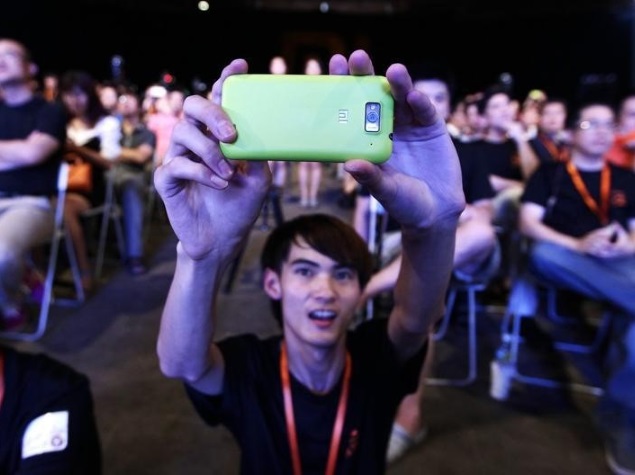
The Delhi High Court in an interim order has restrained Xiaomi as well as e-commerce firm Flipkart from selling in India handsets of the Chinese mobile maker that run on the technology patented by Ericsson.
The court has also restrained Xiaomi or its agents from making, assembling, importing or offering for sale its devices which are infringing the mobile phone technology patented by Ericsson.

The two firms have been order to stop selling infringing devices until February 5, when the court is due to hear the case. Xiaomi entered India in July this year and has been a huge hit among customers in a market that has at least 80 different phone makers including Samsung and a bunch of domestic firms.

Justice G P Mittal directed the customs authorities to prevent import of Xiaomi phones that are infringing the patents of Ericsson and if any consignment is imported, the same be informed to Ericsson and its objections be decided as per the Intellectual Property Rules.

"I am satisfied that plaintiff (Ericsson) has made out a prima facie case for grant of ad interim injunction in its favour. The balance of convenience also lies in favour of plaintiff and in the absence of an injunction order, plaintiff will suffer irreparable loss and injury," the court said.

It also issued summons and notice to Xiaomi and Flipkart and directed them to file an affidavit disclosing the number of devices - that are AMR, EDGE and 3G compliant - sold by them in India till date.

They have to also indicate in the affidavit the revenue earned by selling these devices till date.

The court has also appointed three local commissioners to visit the premises of Xiaomi and Flipkart where the devices are stored in order to inspect and collect documents as well as seal the infringing mobiles.

The total fees of the local commissioners, amounting to Rs 3.5 lakhs shall be borne by Ericsson apart from travel and stay expenses, it said.

The local commissioners have to submit their report within four weeks, it also said.

The order was passed on the plea of Ericsson that Xiaomi has been violating eight of its patents pertaining to AMR, EDGE and 3G technologies in the field of telecommunication.

Ericsson has said that it had invited Xiaomi to use its patented technology by obtaining a licence, but instead of doing so, the Chinese manufacturer launched its devices in India in July 2014.

Ericsson in a statement on Thursday said it had to take legal action against Xiaomi in India for using its technology in its smartphone devices without paying it a licensing fee.

"To continue investing in research and enabling the development of new ideas, new standards and new platforms to the industry, we must obtain a fair return on our R&D investments," the Swedish company said.

The chief of Xiaomi's India operations said the company had yet to receive an official notice from the Delhi High Court and that it was willing to work with Ericsson to resolve the issue "amicably".

"Our legal team is currently evaluating the situation based on the information we have," said Xiaomi's Manu Jain. He did not give details about the case.

Flipkart also said it was yet to receive an official notice and would work with Xiaomi and the authorities.


Also Read Assassin’s Creed Unity PC Specs A Little Too Extravagant

NOTE: Feel Free To Comment....
Unknown  /  at  04:00  /  No comments

man_taking_pic_with_xiaomi_phone_reuters.jpg


Also Read Create a WiFi hotspot in Windows 7,8 & Share Internet connection for use in smartphones

The Delhi High Court in an interim order has restrained Xiaomi as well as e-commerce firm Flipkart from selling in India handsets of the Chinese mobile maker that run on the technology patented by Ericsson.
The court has also restrained Xiaomi or its agents from making, assembling, importing or offering for sale its devices which are infringing the mobile phone technology patented by Ericsson.

The two firms have been order to stop selling infringing devices until February 5, when the court is due to hear the case. Xiaomi entered India in July this year and has been a huge hit among customers in a market that has at least 80 different phone makers including Samsung and a bunch of domestic firms.

Justice G P Mittal directed the customs authorities to prevent import of Xiaomi phones that are infringing the patents of Ericsson and if any consignment is imported, the same be informed to Ericsson and its objections be decided as per the Intellectual Property Rules.

"I am satisfied that plaintiff (Ericsson) has made out a prima facie case for grant of ad interim injunction in its favour. The balance of convenience also lies in favour of plaintiff and in the absence of an injunction order, plaintiff will suffer irreparable loss and injury," the court said.

It also issued summons and notice to Xiaomi and Flipkart and directed them to file an affidavit disclosing the number of devices - that are AMR, EDGE and 3G compliant - sold by them in India till date.

They have to also indicate in the affidavit the revenue earned by selling these devices till date.

The court has also appointed three local commissioners to visit the premises of Xiaomi and Flipkart where the devices are stored in order to inspect and collect documents as well as seal the infringing mobiles.

The total fees of the local commissioners, amounting to Rs 3.5 lakhs shall be borne by Ericsson apart from travel and stay expenses, it said.

The local commissioners have to submit their report within four weeks, it also said.

The order was passed on the plea of Ericsson that Xiaomi has been violating eight of its patents pertaining to AMR, EDGE and 3G technologies in the field of telecommunication.

Ericsson has said that it had invited Xiaomi to use its patented technology by obtaining a licence, but instead of doing so, the Chinese manufacturer launched its devices in India in July 2014.

Ericsson in a statement on Thursday said it had to take legal action against Xiaomi in India for using its technology in its smartphone devices without paying it a licensing fee.

"To continue investing in research and enabling the development of new ideas, new standards and new platforms to the industry, we must obtain a fair return on our R&D investments," the Swedish company said.

The chief of Xiaomi's India operations said the company had yet to receive an official notice from the Delhi High Court and that it was willing to work with Ericsson to resolve the issue "amicably".

"Our legal team is currently evaluating the situation based on the information we have," said Xiaomi's Manu Jain. He did not give details about the case.

Flipkart also said it was yet to receive an official notice and would work with Xiaomi and the authorities.


Also Read Assassin’s Creed Unity PC Specs A Little Too Extravagant

NOTE: Feel Free To Comment....
Posted in: , Read Complete Article»

About

This blog belong to all our youngster friendz, who believe in sharing their knowledge with others and want to try to hackin', crackin' , full version applications at free of cost.
you will found here valuable stuffs.

Labels

adf.ly blocked (1) android (109) Android and PC (19) android games (11) android news (3) android tricks (43) Antivirus (11) Anvsoft (1) apple (40) asha phones (1) avast (1) avast pro antivirus 8 2013 (1) avg (1) AVG pc tuneup 2013 full version (1) avira (1) blackberry (1) blogspot (2) body_language (1) bootable usb (1) Browsers (16) c cleaner pro + business (1) Cheatbook 2013 (1) Chetan Bhagat (1) compressor (1) crac (1) Crack (1) crack + keygen (2) cyberlink power2go full version (1) daemon tools 5.2 full version (1) daemon tools patch (1) defender (2) dictionary (1) direct link (1) DivX Pro 7 (1) Ebook (2) eset (1) etc (1) facebook (16) Firewall (2) free recharge tricks (1) free sms (1) FRUIT NINJA for windows full version (1) full version (8) Full Version MS Office 13 (1) GTA Sandreas (1) hack (4) hack pc (3) hacking using keylogger (1) hardware (1) hiDownload platinum 8 (1) how to (6) how to install .net (1) HTML (1) idm (1) idm crack (1) IDM full version (1) image editor (2) install .net in windows 8 (1) internet tricks (37) iPhone 5c (2) job (1) k j activator (1) kaspersky (2) keygen (2) leaked images (1) license key (1) manual updates (1) mediafire (1) MEDIAFIRE DOWNLOAD (2) mediafire link (2) mobiles (42) music player (1) nfs most wanted (1) Office 13 Activator (1) official site update (1) offline updates (1) patch (4) PC (3) pc customize (1) PC Drivers (2) pc games (15) pc games cheats (11) PC Software (152) PC tricks (146) PdaNET 3.50 (1) PDF (3) phone specifications (43) pic viewer (3) power iso 5.6 (1) premium zbigz account (1) problem with .net in windows 8 (1) review (11) reviews (2) Revolution 2020 PDF (1) science (2) sharebeast download (6) sharebeast link (2) symbian mobiles (2) tech knowledge (33) Tech News (343) tech reviews (146) Torrent To IDM (1) Tune-Up 2014 Full Version (1) Ubuntu Mobiles (1) video player (13) video tutorial (1) Web design (1) window 8.1 tricks (12) windows 8 activator (1) Windows 8 USB Installer Maker (1) windows phones (16) winrar 5 full version (1)
Copyright © 2014 SimplyGet. WP Theme-junkie converted by Bloggertheme9
Blogger templates. Proudly Powered by Blogger.